AI adoption may require law firm partners to rethink their professional identity
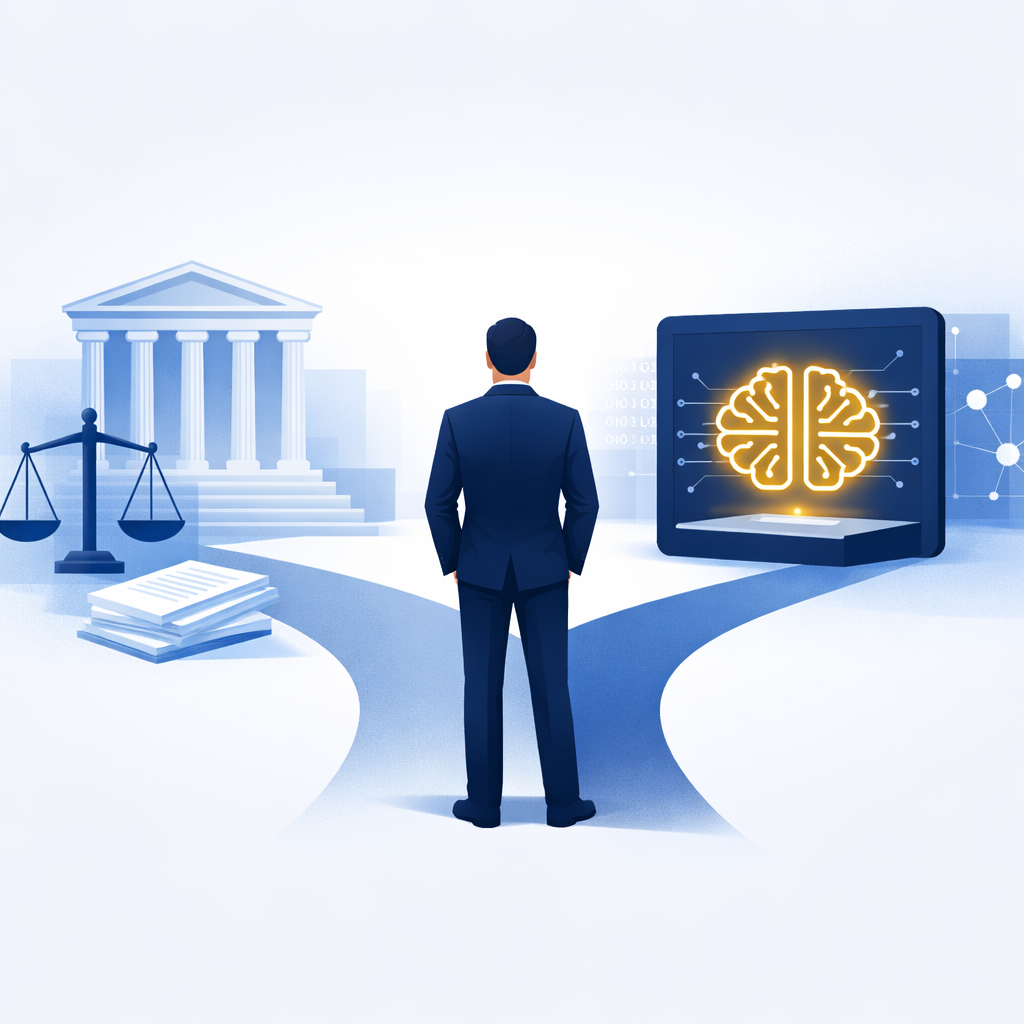
Law firm partners may need to rethink what their role is if artificial intelligence is to be adopted fully across legal practice, according to a recent discussion of how professionals respond to innovation when it alters their sense of self.
The argument was illustrated through examples from medicine and policing, where new methods were shown to deliver better outcomes but were often resisted by senior figures. In the medical example, more subtle, team based surgery supported by robotics and specialist input was presented as effective, yet it challenged the traditional image of the dominant surgeon. In policing, community focused and data led approaches were described as reducing violence, but they required officers to move away from a more confrontational model of enforcement.
The central point was that resistance to change is not always about whether an idea works. It can arise because the idea changes the identity of the person asked to adopt it. Senior professionals who have built their status on a particular way of working may find it difficult to accept a model that asks them to behave differently, even where the new approach is more effective.
Applied to law firms, the question is how the role of an equity partner changes in a business that becomes genuinely AI native. In that model, partners would use AI extensively in their own work, rely on agentic tools where appropriate, and expect associates to use AI as part of delegated tasks. Work that does not need to be handled by an associate could be completed by AI on the partner’s own desktop, while more complex matters would still require legal judgement and client contact.
The article suggests that this would not eliminate the partner role, but it would alter it. Partners would remain rainmakers, client relationship holders and legal experts, yet some of the authority associated with that position would be diluted as technology takes over parts of the workflow. Associates may need fewer hours on routine work, clients may interact differently with the firm, and some matters may become more automated or fixed fee in nature.
For legal professionals, the implication is that AI adoption may depend as much on culture as on technology. If partners see AI as changing not only how they work but also who they are within the firm, some may resist even where the business case is strong. The article argues that the sector’s real challenge is therefore not simply implementation, but whether senior lawyers are willing to accept a revised professional identity alongside new tools and processes.