Torres Strait Islanders Argue Cultural Loss from Climate Crisis Should Be Compensable Harm
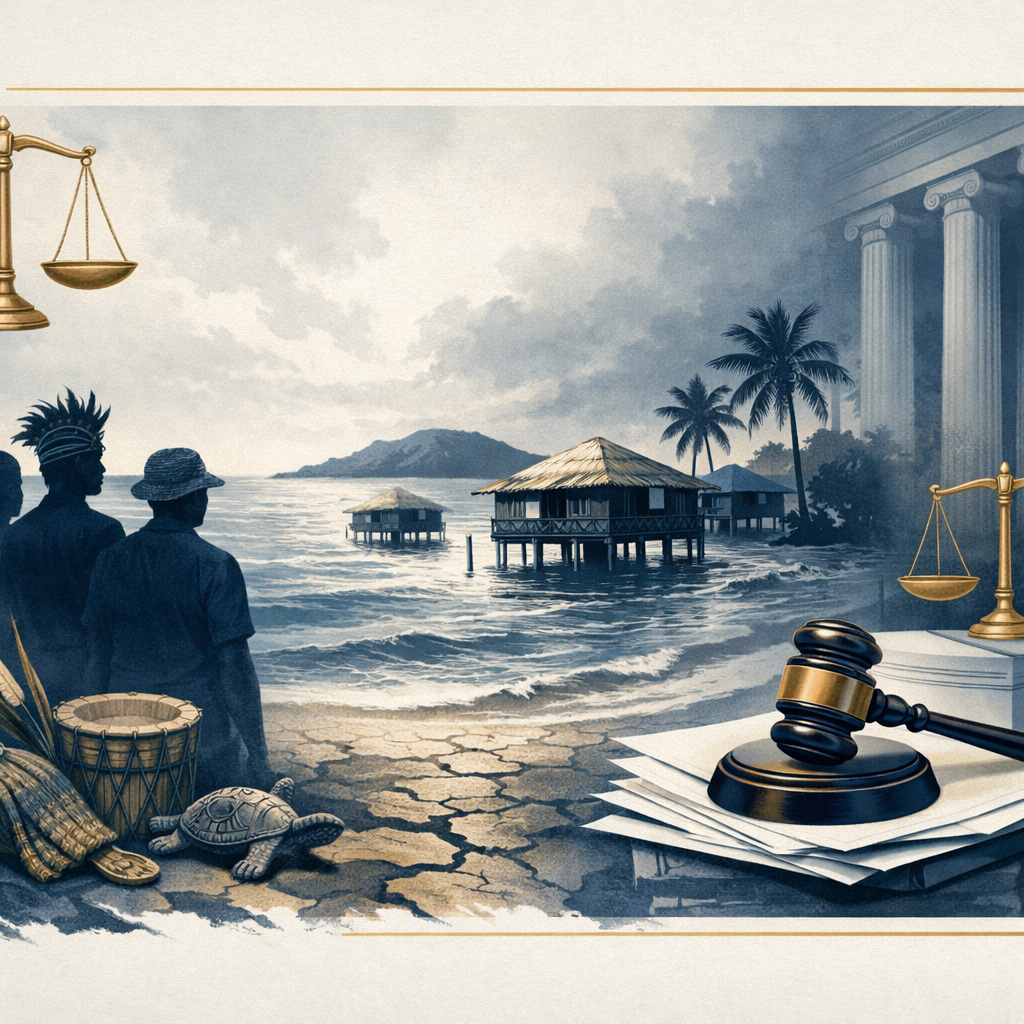
A group of Torres Strait Islanders is advocating for the expansion of negligence law to include cultural loss as a compensable form of harm. This argument is being presented in a challenge to a ruling that dismissed their class action against the Australian government.
The Torres Strait Islanders contend that the impacts of climate change have resulted in significant cultural losses, which they believe should be recognised within the legal framework of negligence. They assert that these losses are not merely environmental but also deeply affect their cultural identity and heritage.
The case highlights the intersection of environmental issues and cultural rights, raising important questions about the responsibilities of governments in addressing climate change and its effects on Indigenous communities.
Legal experts suggest that if the Full Court accepts the argument for recognising cultural loss as actionable harm, it could set a significant precedent for future cases involving Indigenous rights and environmental degradation.
The outcome of this case may influence how courts interpret negligence in relation to cultural and environmental harms, potentially leading to broader legal protections for Indigenous communities facing the impacts of climate change.
This challenge underscores the ongoing dialogue regarding the legal recognition of cultural loss and the need for comprehensive approaches to address the multifaceted impacts of climate change on vulnerable populations.